Watching the US Open at Oakmont Country Club has been an eye opener. The course looks to be in fantastic shape with the 5 1/2 inch rough, undulating greens, and the deep sand traps. As I sit and watch the top golfers navigate the course, I cannot stop and wonder how I would do at Oakmont this weekend. Looking at the some of the crazy lies the professionals hit out of, I am thinking that if I broke 120, life would be good. I definitely could not play from the tips as I do not have the game for that type of distance. However, watching the professionals grind their way around Oakmont, three things come to mind that all amateurs should learn.

Watching some new names at the top of the leaderboard is refreshing. These players have been considered top B or bottom A golfers and it is great to watch them rise to the top of the field. My fan favourite of the top five players is Adam Scott with Victor Hovland a close second. The player to watch for is Thriston Lawrence as he seems to find a way to hang around regardless of his situation. The final round is going to be exciting and I am looking forward to watching each shot.
The three aspects of creating a strong golf game that was accentuated at the this year’s US Open are: being in play off the tee, knowing where to aim on approach shots, and taking your medicine on wayward shots. There are many more, but these three are sticking out in my mind after the third round.
Hitting the ball in play off the tee is probably the most crucial aspect of playing well at Oakmont. Wayward shots are almost always a one stroke penalty for the players as they have to hit out of the cabbage. This ‘take our medicine shot’ costs strokes on the scorecard for sure. Hitting out of 5 1/2 inch rough would be so challenging that doing anything we could to hit the ball in play is a must. As I watch the wayward shots by the pros, I can see the extra strokes on their card being marked.
Second is where to aim their approach shots. Pin hunting is not something most of the pros are doing during the US Open. They would rather have a 25 foot putt from a reasonable location that try and get the ball close and struggle making par. This aspect of a course management strategy is something lost on most amateurs. We are happy just to hit the green and worry about putting after. However, if we all aimed for the center of the green, chances are we would save a few strokes of our current score.
Lastly, taking our medicine on poor shots or unlucky bounces. Keeping our mental focus is important when playing golf. It is easy to go down the negative rabbit hole after a poor shot. With high expectations for a great round, the first poor shot usually sends amateurs into a tail spin. This unfortunate aspect of our regular game is okay, however during tournaments it is a sure way to finish out of the prizes. Accept the poor shot, do not compound it by making another poor shot and move on. There is usually lots of golf where you can make up a stroke or two.
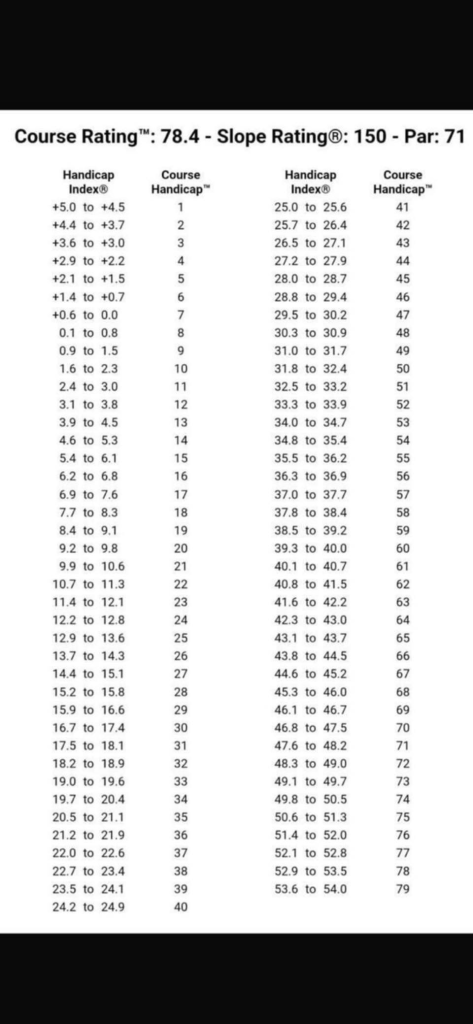
That sums up some of my findings while watching the US Open. Of those who think they could do better, here is chart that equates our handicap into an Oakmont handicap. I would be 15 (and probably higher) given my current handicap index.
I am a grateful golfer! See you on the links!
 The Grateful Golfer