Yesterday, my friend and I left the first tee with a high GAF (Golf Attitude Factor) and strong feeling of wellness. How could we not; after the fourth hole the beauty of our home course was only overshadowed by quiet serenity of playing golf with no one else around. No kidding, we owned the course and calmly played the rest of the round bathed in the beautiful sun, the musical harmony of nature and the refreshing aroma of life rekindled. It really was a great round of golf and more importantly, I learned something new!
Course management is as important to lower scores in golf as mustard is on a hot dog at the ballpark. They really are inseparable and if used together a positive outcome is almost assured. During our many conversations, my friend reminded me of a very important and often overlooked aspect of good golf; that course management always occurred from the green backwards. The Golf Channel has a great article for review of before mentioned points about course management. There are many ways to effectively use course management techniques, but no matter what, the process is still the same.
It is critical to work from the green backwards. For a par 4 let me explain:

Looking backward – to approach from the right side of the fairway is best.
Every green has its challenges. Most of the time, aiming for the center of the green is the safest and most effective shot, especially for those trying to break 100. For players who want more of a challenge, it is important to consider the location of the pin. Sometimes the pin will be tucked behind a bunker or near the dreaded knoll that makes putting extremely difficult. Pin location will determine whether your previous shot should be on the left or right side of the fairway. Knowing what side of the fairway your second shot needs to be will help set up your tee shot.

Tee up on the left to ensure the best approach to the green.
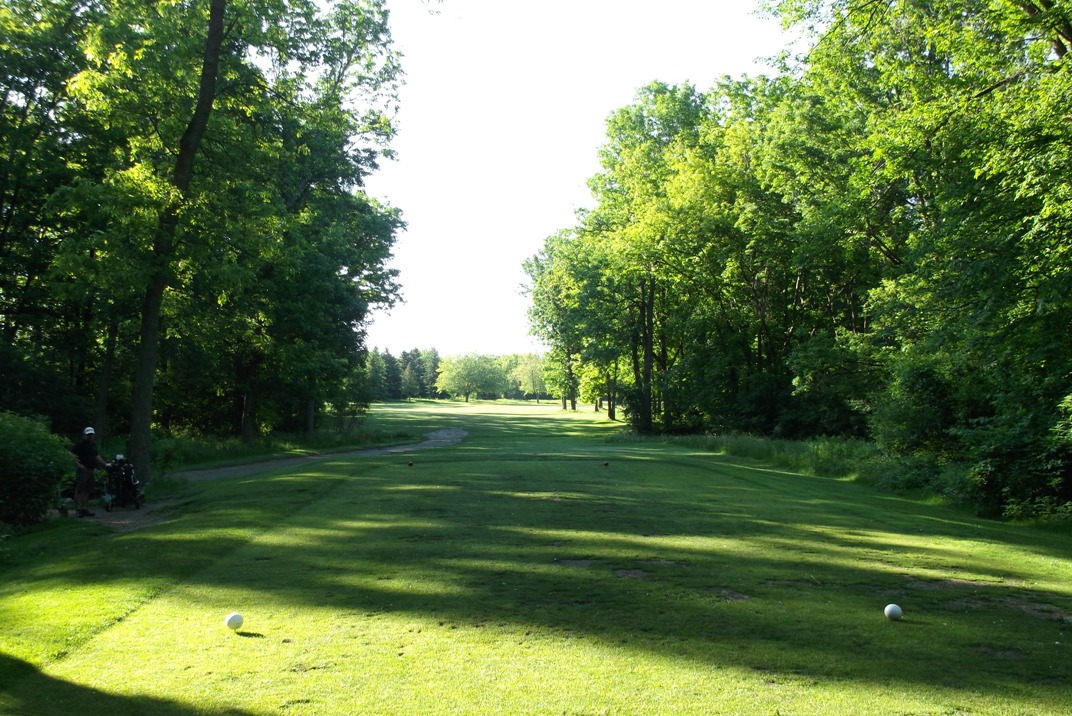
Now that you know what side of the fairway you need to be on for your next shot, setting up for your tee shot is easier. A general rule I use is that – left side fairway, right side tee box; right side fairway, left side tee box. By setting up on the opposite side of the tee box to where you want your ball to finish helps reduce errors and ensures that even on miss hits the probability of success is higher.
If you are playing a par 5, add one more step using the same logic and process. It may seem like I am suggesting a crisscross pattern down the fairway, but I am suggesting that you choose the path that best suits your game and achieves the result of playing the ball to improve your chances to score low.
On a par 3, I would recommend that the general rule of alignment still works. Obviously, hazards and pin location are very critical for shorter holes, but I think you get the point.
Reverse engineering in golf applies to course management. Working from the hole backwards is the logical way to lower your scores. Course Management from the green to tee will cut mental errors, lower your score, and improve your overall mastery of golf.
As the late great Bobby Jones said, “The secret of golf is to turn three shots into two.” That is course management in a nutshell!
I am a grateful golfer! See you on the links!



 The Grateful Golfer